4.7 stars • Loved by 324,437+ superfans
4.7 stars
Loved by 324,437+ superfans

As Seen In





Shop probiotics after antibiotics
If you are exploring probiotics after antibiotics in the UK, choose the Biomel format that fits your routine a powder to stir in, a ready-to-drink shot, a snackable bar or a daily gummy.
Not sure which to start with? Take the gut health quiz →
Probiotics before or after antibiotics
Antibiotics target bacteria and may also affect the balance and diversity of bacteria in the gut. This is why many people research probiotics before or after antibiotics as part of their wider wellbeing routine.
If you are comparing probiotics to take with antibiotics, consider the strains used, ingredient quality, testing, product directions and how easily the format fits into your day. Ask your GP or pharmacist whether probiotics are appropriate for you and when to take them alongside your medication.
FITS AROUND YOUR ANTIBIOTIC ROUTINE
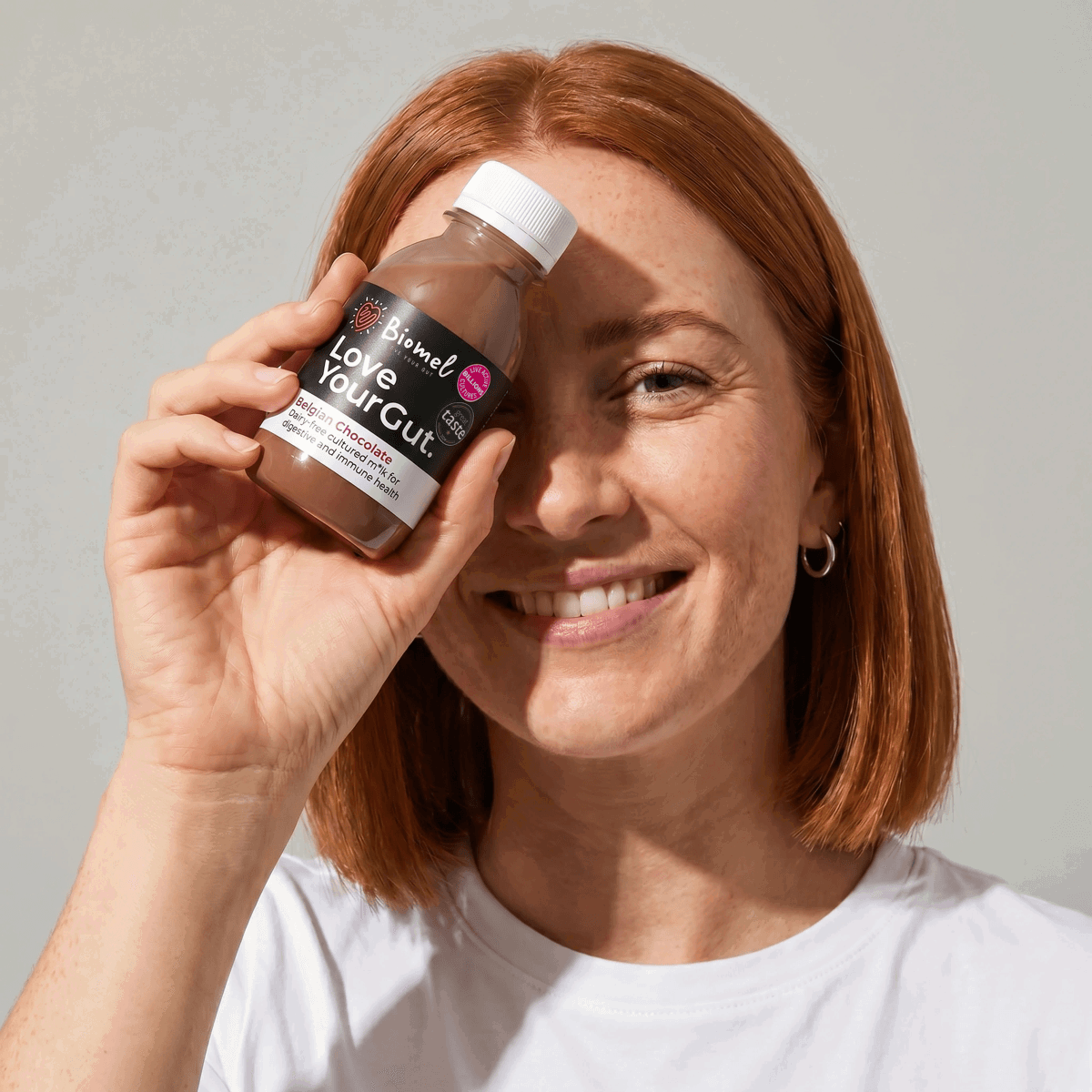
Trusted for everyday gut wellbeing
Best probiotics to take with antibiotics: what should you look for?
If you are searching for the best probiotics to take with antibiotics in the UK, look at the strains used, formulation, product quality, independent testing, age suitability and how easy the product is to take consistently. Biomel combines clinically studied probiotic strains with carefully selected ingredients in quality-tested gummies, bars, powders and gut shots. If you are unsure which probiotic to take with antibiotics, ask your GP or pharmacist for advice that takes account of your medication and individual circumstances.
The strains, and why they're in there
Different probiotic strains have different functions, which is why Biomel combines multiple scientifically researched strains rather than relying on a single culture. A few of the strains in Biomel Complete Gut include:
STRAIN
Lactobacillus acidophilus
A well-known lactic acid bacterium with a long history of use in fermented foods.
STRAIN
Bifidobacterium bifidum
A well-studied species of Bifidobacterium naturally found in the human gut.
STRAIN
Bifidobacterium lactis
A resilient Bifidobacterium species widely used in fermented foods and live culture formulations.
STRAIN
Lactobacillus plantarum
A well-researched lactic acid bacterium found in many traditionally fermented foods.
STRAIN
Bifidobacterium longum + 8 more
Including B. coagulans, L. casei, L. gasseri, L. paracasei, L. reuteri, L. rhamnosus, L. bulgaricus & S. thermophilus — a broad-spectrum blend covering the major beneficial groups.
Authorised GB health claims:
AUTHORISED GB HEALTH CLAIM
Chicory root fibre: contributes to normal bowel function by increasing poop frequency
AUTHORISED GB HEALTH CLAIM
Vitamin B6: regulation of hormonal activity & normal psychological function
AUTHORISED GB HEALTH CLAIM
Calcium & Vitamin D: maintenance of normal bones
Scientific advisory board
Our formulations are reviewed by an independent board of qualified health and nutrition experts
N
Nutritionist-formulated
Developed with input from a BANT registered nutritionist
UK
Made in the UK
Produced to GMP standard
Third-party tested
Independently verified by Eurofins – one of the world's largest testing networks

No artificial sweeteners
No dairy — vegan throughout
No proprietary-blend doses
PER DAILY SERVING
Live cultures
13 unique strains
25bn
CFU
Diverse plant fibres
incl. chicory root inulin
6
sources
Diverse enzymes
5
types
Key vitamins & minerals
incl. B6, B12, D3, calcium
4
nutrients
Added sugar
0
g

Dr. Daniel Sheridan, PhD, MSc, BSc
Areas of Expertise: Genetics, Regenerative Medicine, Stem Cell biology, Endocrinology

Hannah Cartwright, ANutr, AfN
Areas of Expertise: Gut health, Digestion and the Microbiome, Clinical Nutrition and Eating Disorders
Why choose Biomel when exploring probiotics and antibiotics?
Biomel makes it easy to add probiotics to your daily routine with clinically studied probiotic strains, carefully selected ingredients and convenient formats including powders, bars, gummies and gut shots. If you are considering a probiotic during or after antibiotics, follow the directions for the individual Biomel product and ask your GP or pharmacist whether it is suitable alongside your medication.
What matters
Biomel
Standard probiotics
Clinically studied probiotic strains
Yes
Varies
Added prebiotic fibre
Yes
Varies
No added sugar
Yes
Sometimes
Delicious daily formats
Yes
Often no
How and when to take probiotics with antibiotics
Before you start antibiotics
If you are thinking about taking probiotics before antibiotics, check the directions for the individual product and ask your GP or pharmacist whether it is appropriate for you.

During your antibiotic course
The appropriate timing can depend on the antibiotic and the probiotic product. Follow the instructions supplied with both products, and ask your pharmacist when to take your probiotic in relation to each antibiotic dose.
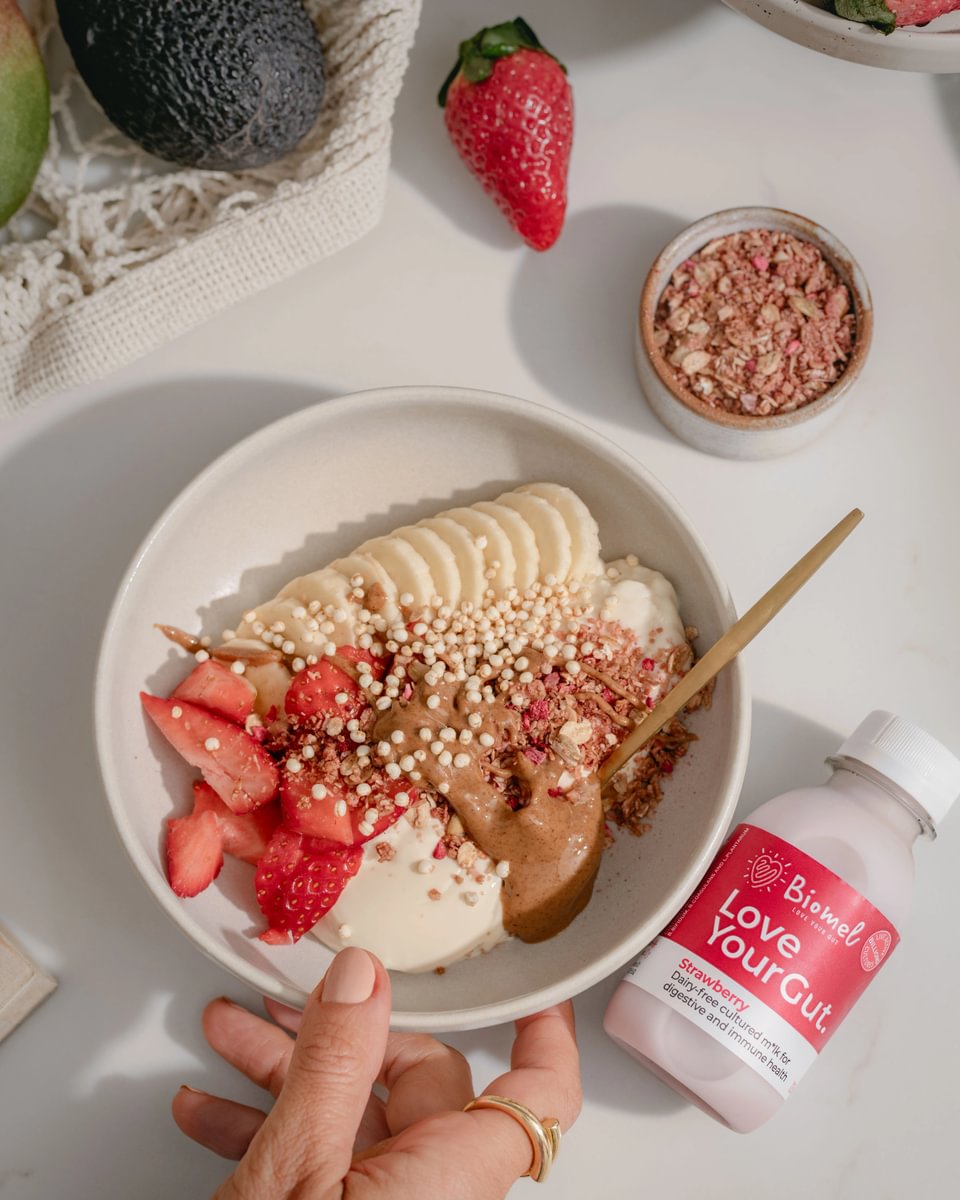
After you've finished your antibiotics
If you want to continue taking probiotics after antibiotics, follow the serving guidance for your chosen product. A healthcare professional can advise you if you are unsure which probiotics after antibiotics are suitable for your circumstances.

Make it part of your daily routine
Mix one scoop into cold water, milk or your favourite drink, or stir it into yoghurt, overnight oats or a smoothie. Alternatively, choose a convenient Biomel bar, gut shot or gummy and follow the directions on the individual product.
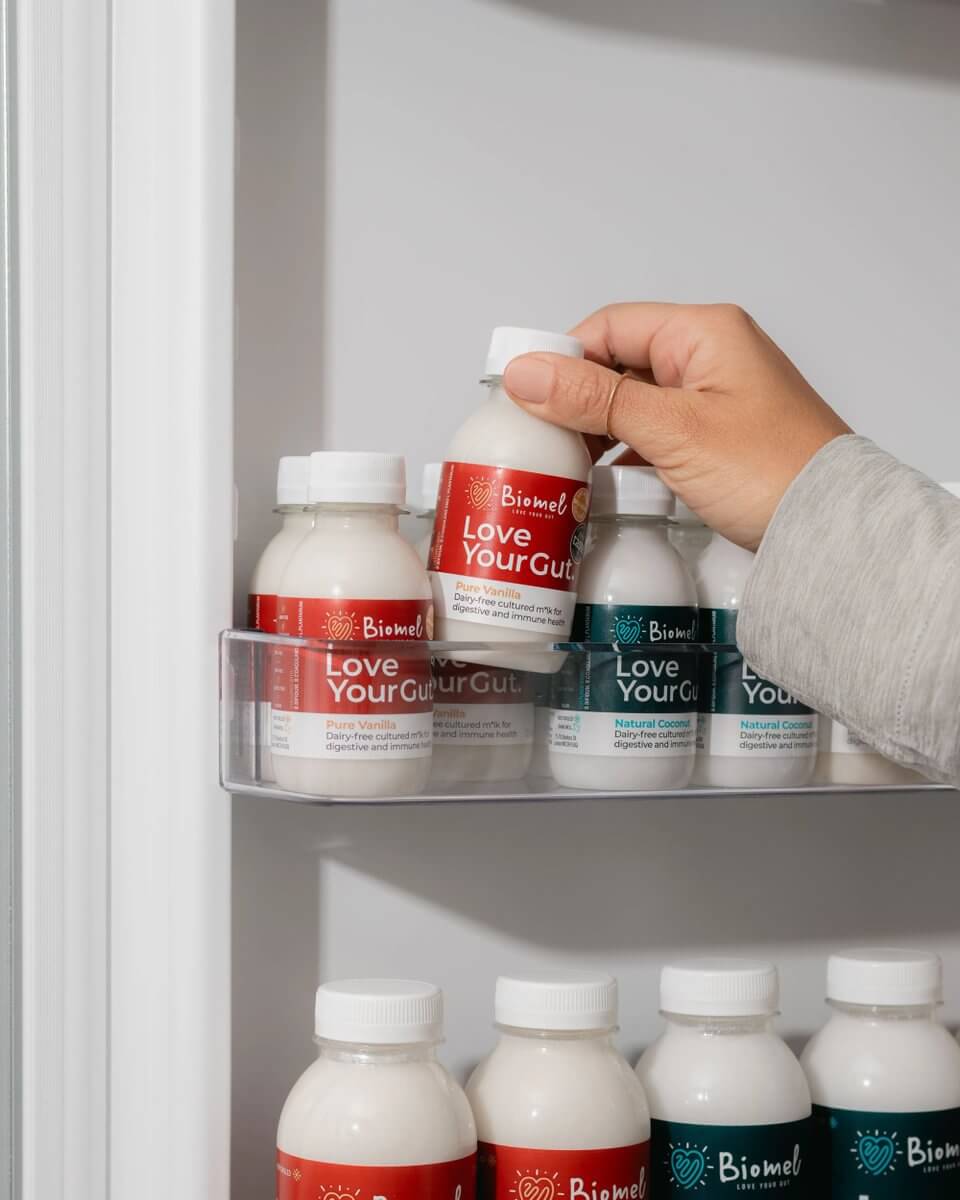
For best results: Follow the serving guidance for your Biomel product and the instructions supplied with your medication. If you are taking antibiotics, ask your GP or pharmacist whether probiotics are appropriate for you and when to take them.
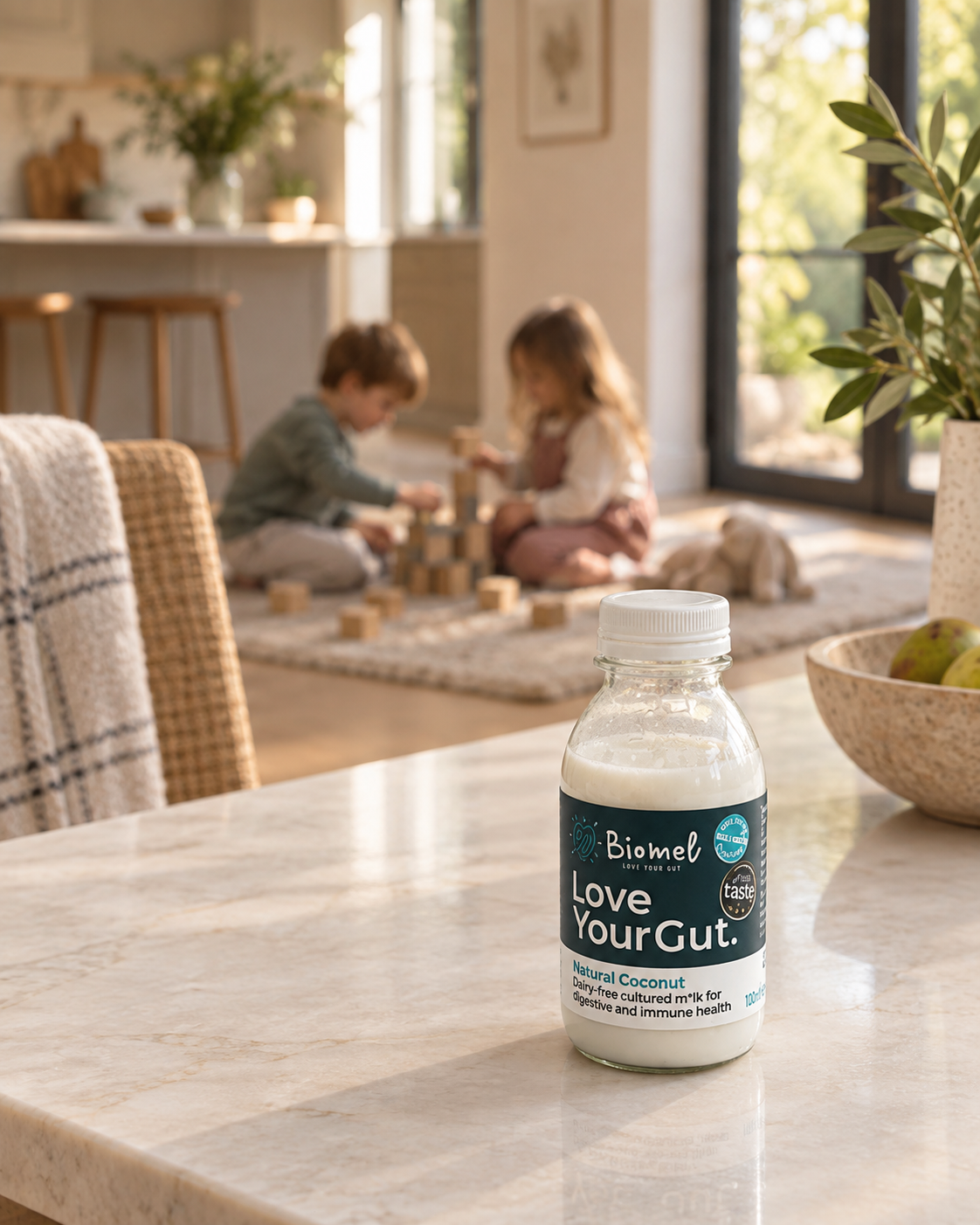
Probiotics for children after antibiotics
If you are researching probiotics for children after antibiotics, the recommended age and serving guidance will vary between products. Check the directions and age suitability of the individual Biomel product before use.
Parents searching for probiotics for babies after antibiotics or the best probiotics for kids after antibiotics should speak to their GP or pharmacist before introducing a supplement, particularly if the child is very young or has an underlying health condition.
Subscribe & save 30% on your first order
20% off thereafter · swap, skip or cancel anytime · free nutritionist support
Start your recovery routine →
FAQs
Probiotics and antibiotics: your questions answered
When researching the best probiotics to take with antibiotics, consider the strains used, formulation, product quality, independent testing, age suitability and directions for use. There is no single best probiotic after antibiotics for everyone, so ask your GP or pharmacist if you are unsure what probiotics to take with antibiotics.
Whether probiotics should be taken at the same time as antibiotics can depend on the medicine and the probiotic product. Follow the directions supplied with both products and ask your GP or pharmacist which schedule is appropriate for you.
Researchers continue to study how antibiotics affect the gut microbiome and the role different probiotic strains may play. If you are exploring probiotics for gut health after antibiotics, Biomel offers powders, gut shots, bars and gummies that can be added to your everyday routine. Biomel products are not intended to treat or prevent side effects from antibiotics.
Age suitability and serving guidance vary between products. If you are considering probiotics for children after antibiotics, check the individual product directions and speak to your GP or pharmacist, especially for babies, very young children or children with an underlying health condition.
Prebiotics and probiotics have different roles. Probiotics contain live microorganisms, while prebiotics are types of fibre used by bacteria in the gut. If you are deciding between prebiotics or probiotics after antibiotics, consider your wider diet, follow the product directions and ask a healthcare professional if you need personalised advice.