4.7 stars • Loved by 324,437+ superfans
4.7 stars
Loved by 324,437+ superfans
As Seen In





Shop Biomel Probiotics
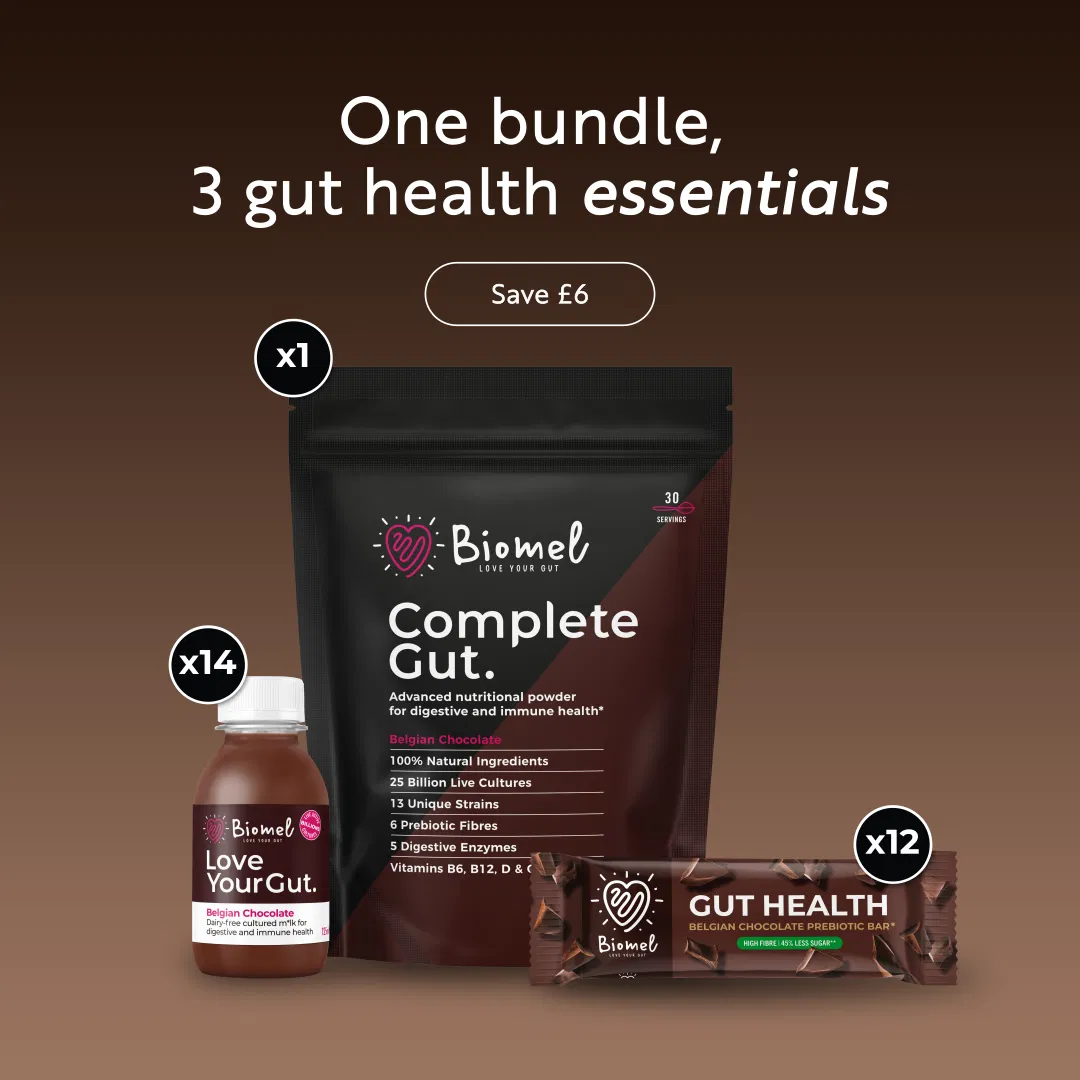
Finding probiotics that fit into your routine can make everyday habits easier to maintain. Biomel's range of powders, bars, drinks and gummies is designed to be easy to enjoy every day, whether you prefer mixing a powder into your breakfast, keeping a snack bar in your bag or taking a daily shot. Biomel offers delicious, convenient options that make keeping a consistent routine simple.
Not sure which to start with? Take the gut health quiz →
Understanding IBS and Digestive Wellbeing
Irritable bowel syndrome (IBS) is a common digestive condition that can cause symptoms including abdominal pain, bloating, diarrhoea and constipation. Symptoms and dietary triggers vary between individuals, so managing IBS often involves identifying what works for you.
A varied, balanced diet, adequate hydration and regular physical activity are important for general health, although people with IBS may need individual dietary adjustments. If you're experiencing persistent or changing digestive symptoms, speak to your GP or a registered dietitian for personalised advice.
Biomel products are not intended to treat IBS or its symptoms.
Support your gut from within
verified REVIEWS
What customers say
THE SCIENCE
What’s inside, and the science
Biomel combines researched probiotic strains with prebiotic fibre and essential vitamins in convenient formats for you to enjoy. Every ingredient is carefully selected, with independent testing for safety and consistency.
The strains, and why they're in there
Different probiotic strains have different functions, which is why Biomel combines multiple scientifically researched strains rather than relying on a single culture. A few of the strains in Biomel Complete Gut include:
STRAIN
Lactobacillus acidophilus
A well-researched bacterial species commonly used in probiotic supplements
STRAIN
Bifidobacterium bifidum
A bacterial species found in fermented foods and studied for its characteristics
STRAIN
Bifidobacterium lactis
A bacterial species commonly included in live-culture supplements
STRAIN
Lactobacillus plantarum
Naturally found in the human gut and studied in microbiome research
STRAIN
Bifidobacterium longum + 8 more
Including B. coagulans, L. casei, L. gasseri, L. paracasei, L. reuteri, L. rhamnosus, L. bulgaricus & S. thermophilus — a broad-spectrum blend covering the major beneficial groups.
Authorised GB health claims:
AUTHORISED GB HEALTH CLAIM
Chicory root fibre: contributes to normal bowel function by increasing poop frequency
AUTHORISED GB HEALTH CLAIM
Vitamin B6: regulation of hormonal activity & normal psychological function
AUTHORISED GB HEALTH CLAIM
Calcium & Vitamin D: maintenance of normal bones
Scientific advisory board
Our formulations are reviewed by an independent board of qualified health and nutrition experts
N
Nutritionist-formulated
Developed with input from a BANT registered nutritionist
UK
Made in the UK
Produced to GMP standard
Third-party tested
Independently verified by Eurofins – one of the world's largest testing networks

Dr. Daniel Sheridan, PhD, MSc, BSc
Areas of Expertise: Genetics, Regenerative Medicine, Stem Cell biology, Endocrinology

Hannah Cartwright, ANutr, AfN
Areas of Expertise: Gut health, Digestion and the Microbiome, Clinical Nutrition and Eating Disorders
Why Choose Biomel Probiotics?
Finding the right probiotics can feel overwhelming, with so many different ingredients and formats available. Biomel probiotics are enjoyable to take, made with carefully selected ingredients and easy to incorporate into your daily routine. Here's how Biomel compares on a few key features.
What matters
Biomel
Standard probiotics
Other supplements
Multiple live bacterial strains
Yes
Varies
Varies
Added plant fibre
Yes
Varies
Varies
No added sugar options
Available
Varies
Varies
Convenient daily formats
Yes
Varies
Varies
How to Build Probiotics Into Your Daily Routine
Make probiotics part of your daily routine
Consistency can make everyday habits easier to maintain. If you choose to include probiotics in your diet, selecting a convenient time each day can help you establish a routine that works for you.

Enjoy them in a way that suits you
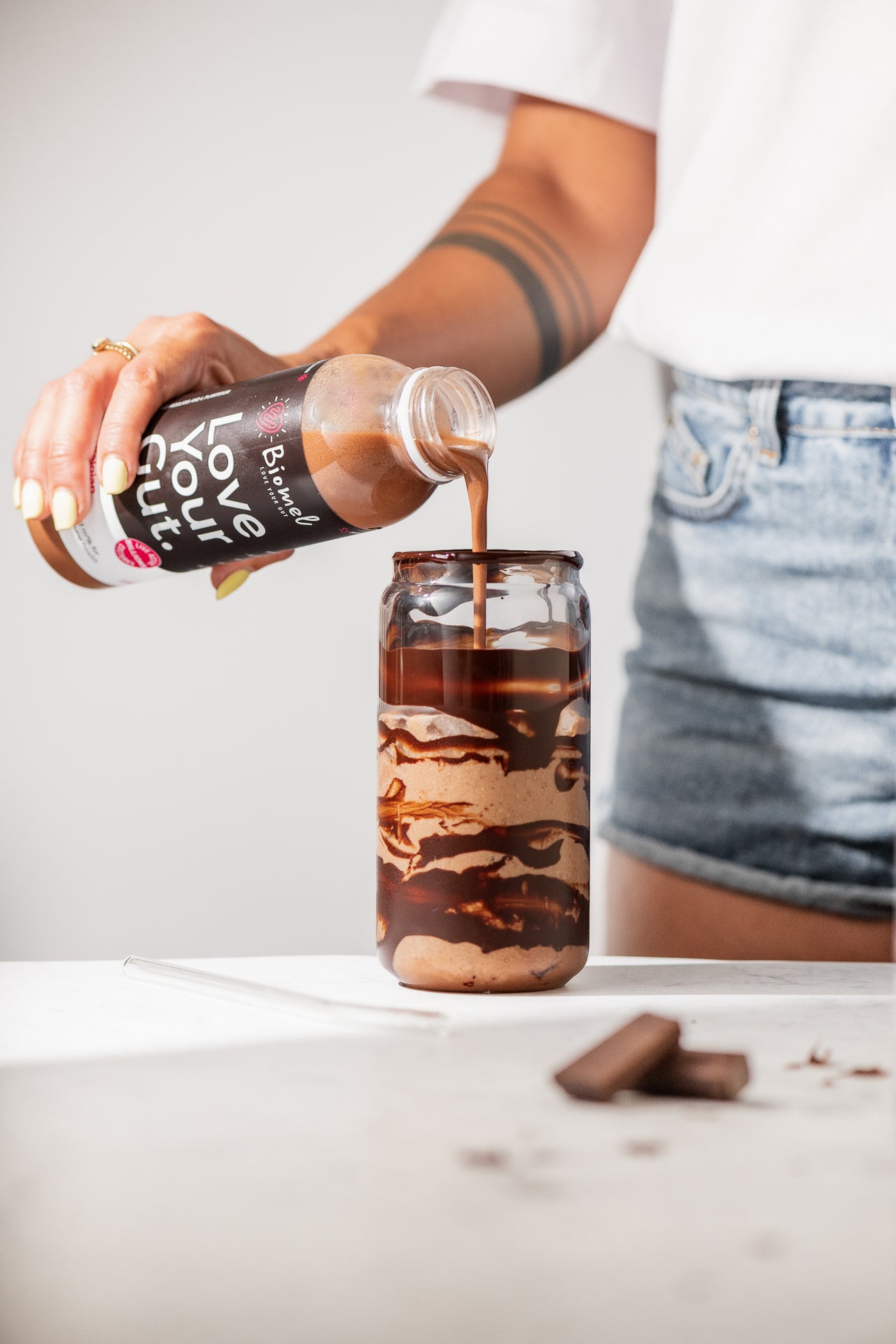
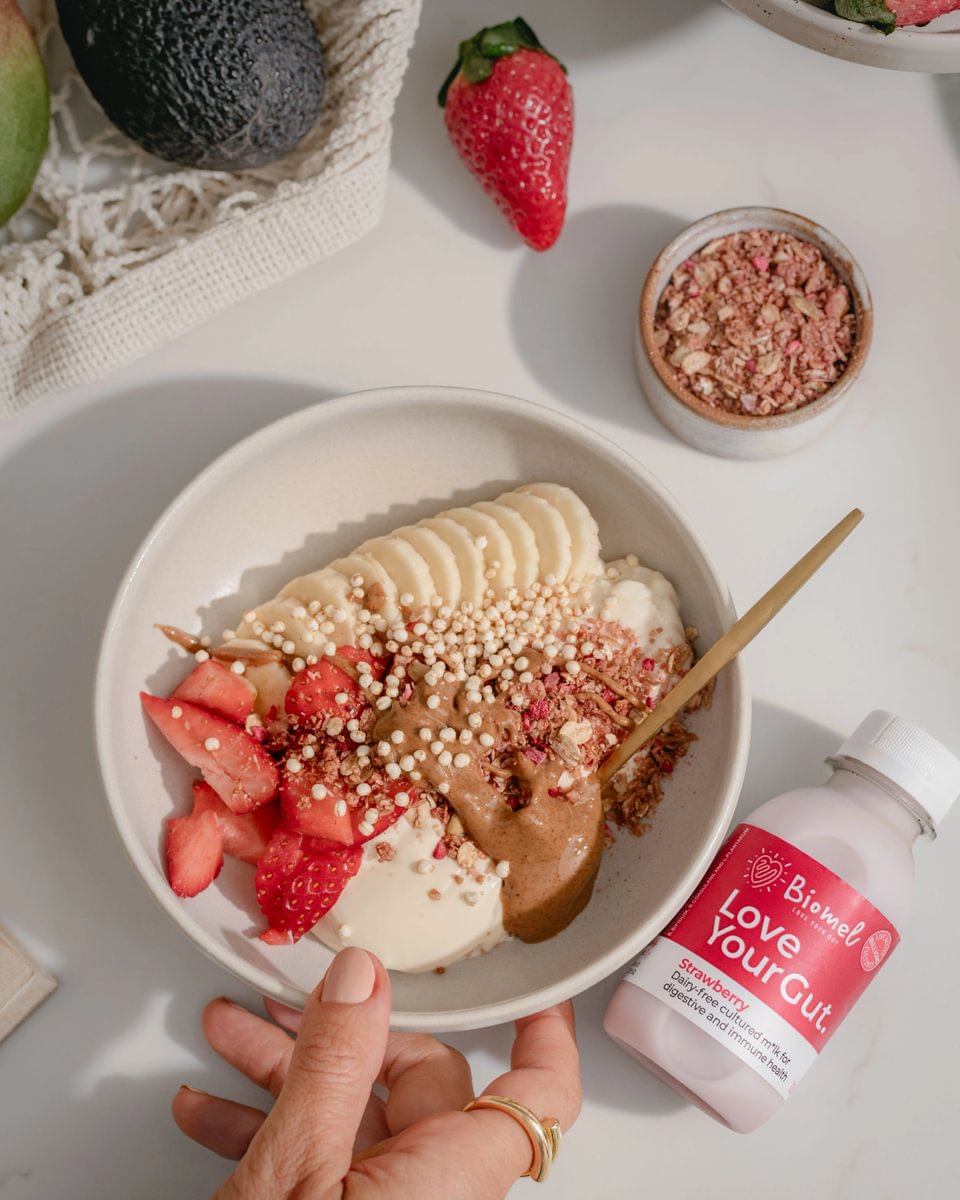
Whether you stir Biomel's powder into yoghurt or a smoothie, enjoy a snack bar between meals or take a daily gummy, there are plenty of ways to fit probiotics into your lifestyle. Choosing a format you enjoy can help you maintain a consistent routine.
Alongside the diet that works for you
A varied diet, adequate hydration and regular physical activity are important parts of a healthy lifestyle. If you have IBS, your dietary needs and tolerance may differ, so always check the ingredients and consider personalised advice from a dietitian.
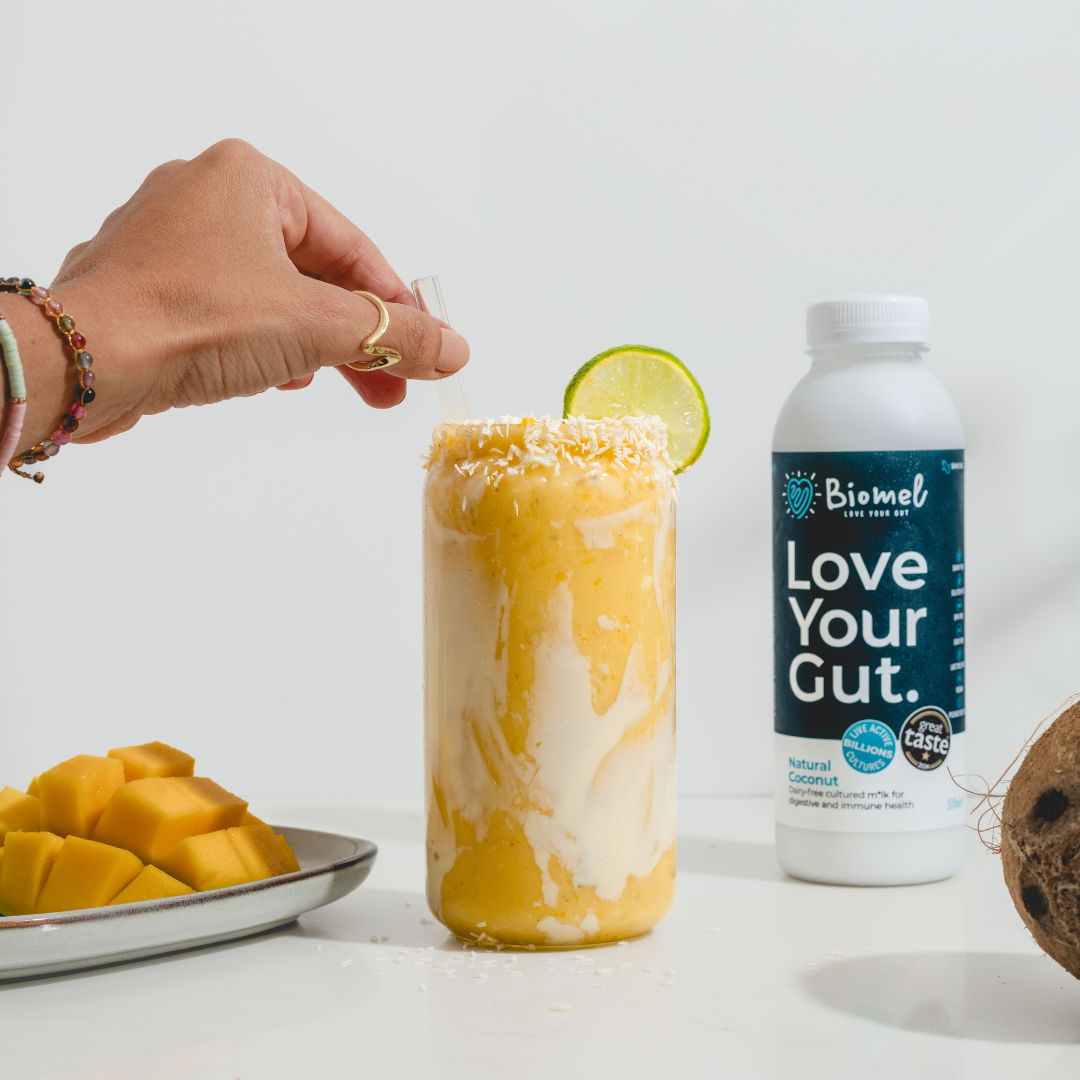
Keep your routine going
Biomel offers convenient probiotic formats designed for everyday use. If you choose to include Biomel in your routine, follow the recommended serving instructions and consider your individual dietary needs.
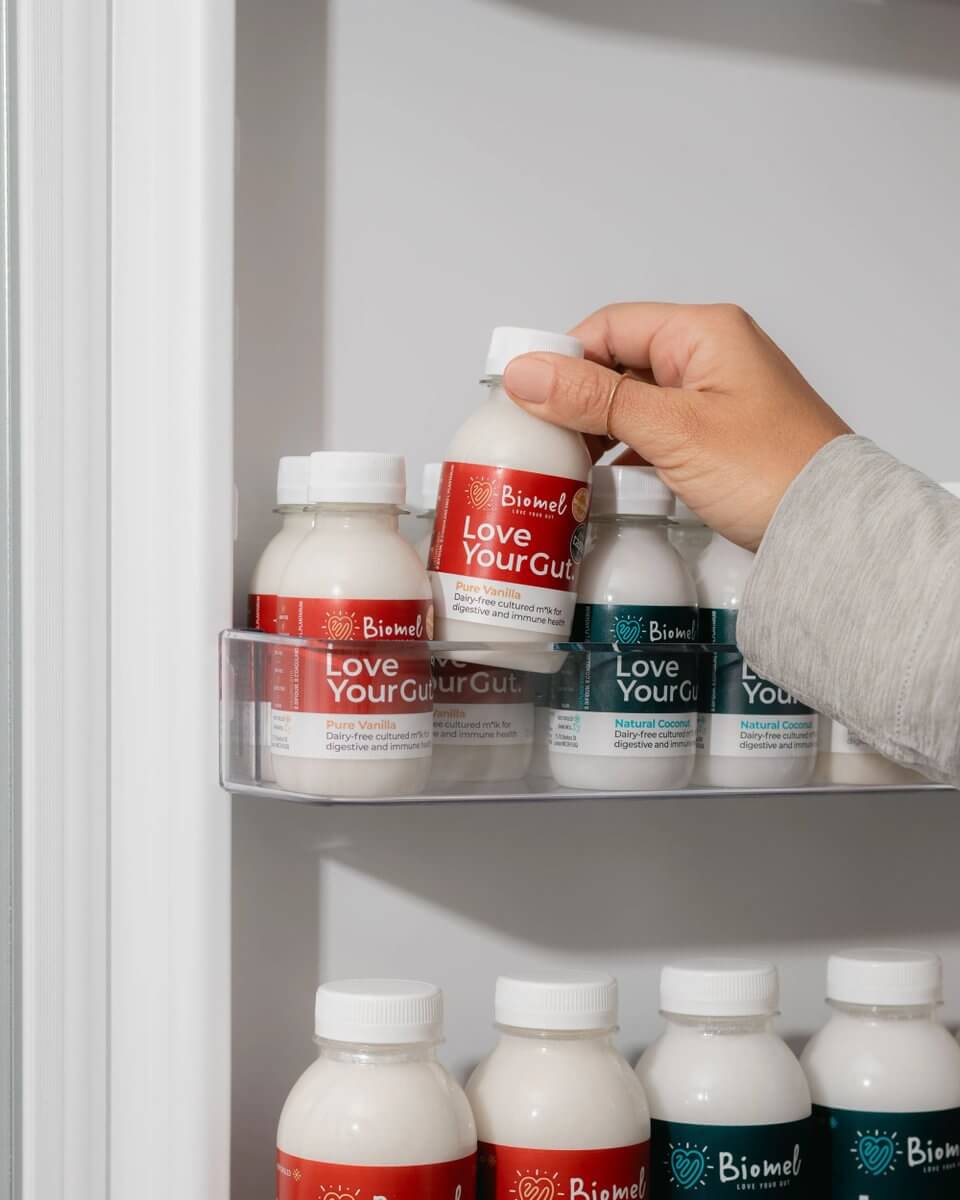
For best results: Follow the recommended serving instructions for your chosen probiotic product, mix powders into cold food or drinks to help protect the live cultures, and enjoy a balanced diet that suits your individual needs.

Probiotics, Prebiotics and Digestive Enzymes: What's the Difference?
Probiotics contain live microorganisms, while prebiotics are substances, including certain types of fibre such as chicory inulin, that are used by microorganisms in the gut. Digestive enzymes are proteins found naturally in foods and produced by the body to help break down food. Some people with IBS explore supplements containing these ingredients, although evidence for their effectiveness varies, and not all products are suitable for everyone. Certain fermentable fibres, including chicory inulin, may contribute to bloating or discomfort in people with IBS. If you have IBS, speak to your GP, pharmacist or dietitian before introducing supplements to manage your symptoms.
Understanding IBS-D, IBS-C and Mixed IBS
IBS affects everyone differently. Some people experience diarrhoea-predominant IBS (IBS-D), others constipation-predominant IBS (IBS-C), while some experience a mixture of both (IBS-M). Research has investigated probiotics for IBS, but findings vary between strains and formulations, and there isn't enough evidence to recommend one particular probiotic product for all types of IBS. Dietary management may also differ depending on symptoms, so speak to your GP or dietitian for personalised guidance.
Subscribe & save 30% on your first order
20% off thereafter · swap, skip or cancel anytime · free nutritionist support
Start your gut health routine →
FAQs
IBS and Probiotics: Your Questions Answered
There isn't currently enough evidence to recommend one probiotic strain or formulation as the best option for everyone with IBS. Research findings vary between products and individuals, so speak to your GP or dietitian if you're considering a supplement for your symptoms.
Some studies have investigated whether probiotics may help with IBS symptoms, but findings are mixed and depend on the strains and formulations studied. This doesn't establish that all probiotic products improve IBS symptoms or that a particular product will be suitable for everyone.
The most appropriate supplements depend on your individual symptoms, nutritional needs and medical history. Some people consider probiotics, fibre supplements or digestive enzymes, but these aren't necessarily beneficial or suitable for everyone with IBS. A GP or dietitian can help you assess your options.
Probiotics and prebiotics are sometimes combined in supplements, but taking them together isn't necessarily better for people with IBS. Certain prebiotic fibres, including chicory inulin, can contribute to gas and bloating in sensitive individuals, so check ingredients carefully, particularly if you're following a low-FODMAP diet.
Being vegan doesn't necessarily make a probiotic more or less suitable for someone with IBS. Individual tolerance and the full ingredient list are important, particularly as some products contain fermentable fibres or other ingredients that may trigger symptoms.